South Korea Travel Guide
South Korea is a country of vibrant contrasts, offering a seamless blend of modern innovation, rich cultural heritage, and breathtaking natural landscapes.
South Korea has a population of approximately 52 million people, with Korean as the official language and English widely taught in schools. Its capital city, Seoul, serves as a bustling hub of technology, culture, and entertainment, complemented by the historic charm of cities like Gyeongju and the scenic beauty of Jeju Island.
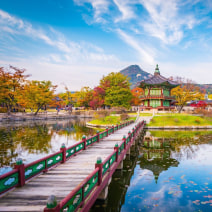
Emerging as a global cultural powerhouse, South Korea has captured the world’s attention through its dynamic K-pop music scene, critically acclaimed films, and popular dramas. Visitors can explore the country's history through landmarks like Gyeongbokgung Palace, immerse themselves in traditional Korean cuisine at bustling street markets, or relax amidst the serene landscapes of its national parks.
We've outlined some general information that may be helpful to you when planning your next holiday to South Korea.

Time Zone & Currency
South Korea is nine hours ahead of Greenwich Mean Time (GMT+9) throughout the year and does not observe daylight saving time. The currency is the South Korean Won (KRW).

Weather in South Korea
South Korea has a temperate climate with four seasons. Spring and autumn are mild and scenic, summer is warm and humid, and winter is cold with snowfall in the north.

Reading For Your Trip To South Korea
Pachinko by Min Jin Lee
The Vegetarian by Han Kang
Please Look After Mother by Kyung-sook Shin
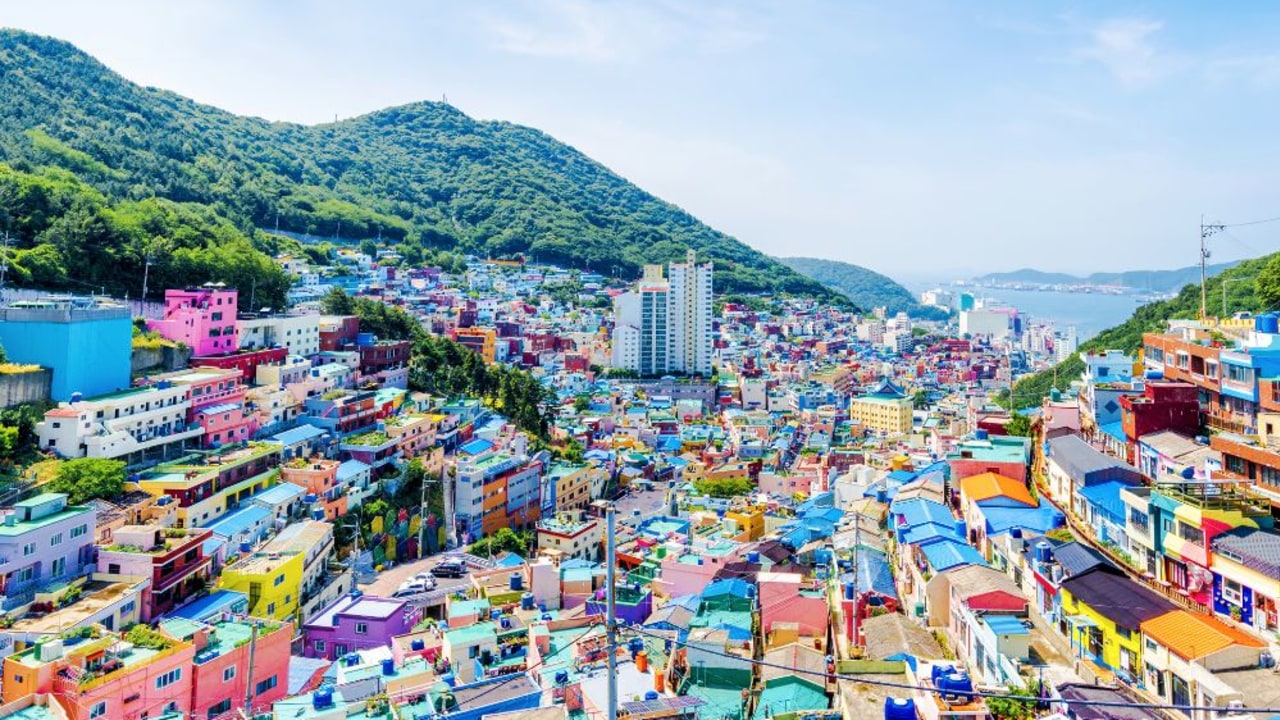
Best time to go to South Korea
South Korea is a year-round destination, but March to May and September to November are ideal for mild weather and beautiful scenery during cherry blossom or autumn foliage seasons.
Top Tourist Attractions In South Korea
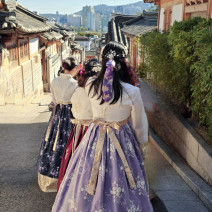
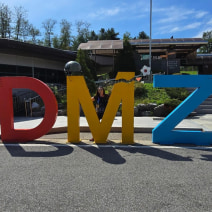
Food and drink in South Korea
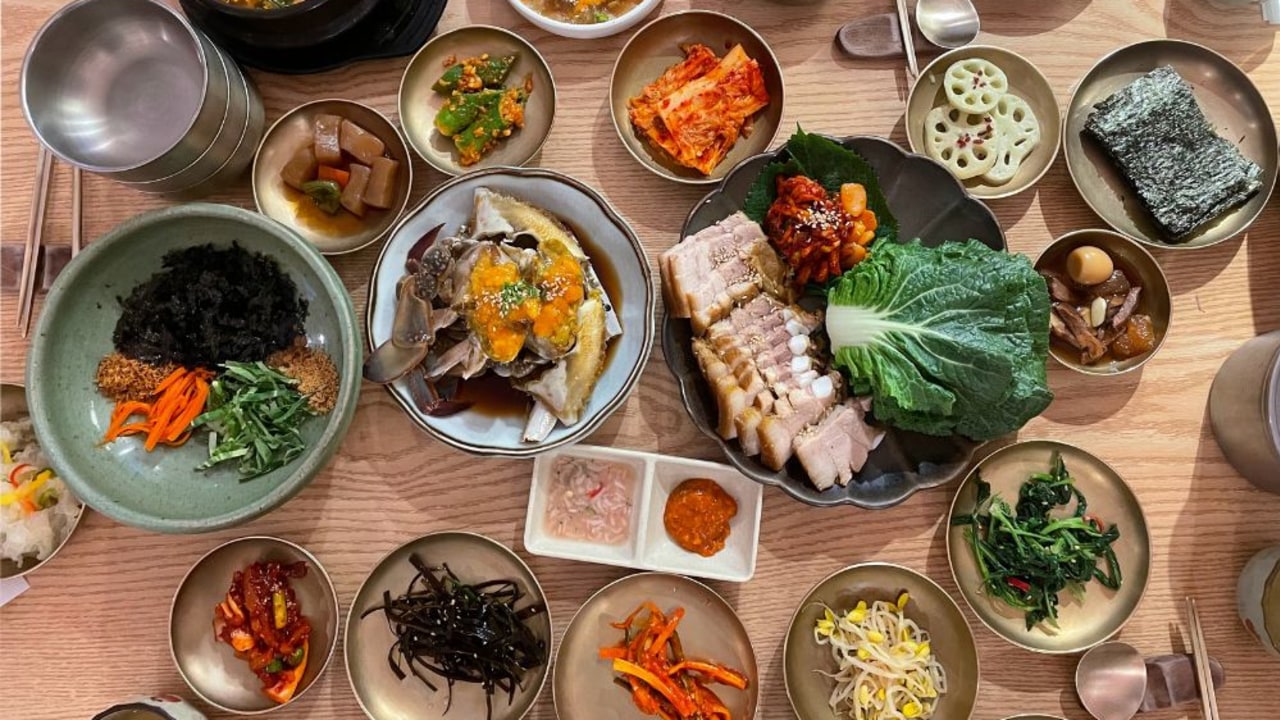
South Korean cuisine is a vibrant blend of traditional flavours, emphasising fresh ingredients and bold tastes. Some must-try dishes include:
- Kimchi: A staple side dish made from fermented vegetables, usually cabbage or radish, with chilli and garlic.
- Bibimbap: A mixed rice dish topped with vegetables, egg, and often meat, served with a spicy chilli paste.
- Bulgogi: Marinated, thinly sliced beef or pork grilled to perfection, often enjoyed with lettuce wraps.
- Tteokbokki: Chewy rice cakes cooked in a spicy and slightly sweet red chilli sauce, a popular street food.
South Korea is also known for its traditional drinks, such as soju (a clear, distilled spirit) and makgeolli (a sweet, milky rice wine), as well as its thriving café culture featuring artisanal coffees and unique desserts.
South Korea Travel Guide FAQs
Can you give a brief history of South Korea?

South Korea's history is shaped by resilience, innovation, and cultural heritage. Originally part of early Korean kingdoms such as Goguryeo, Baekje, and Silla, the peninsula saw centuries of dynastic rule, culminating in the influential Joseon Dynasty (1392–1897). After Japanese colonisation (1910–1945), Korea gained independence but was divided into North and South due to post-World War II tensions.
The Korean War (1950–1953) cemented this division, with South Korea evolving into a democratic, industrialised nation. Today, South Korea is celebrated for its rapid economic growth, technological advancements, and global influence in music, cinema, and cuisine, while preserving its deep-rooted traditions and history.
Is South Korea safe?
The places visited on your itinerary are generally safe and our guides will always keep an eye out for you. However, in any large city there can be opportunists and pickpockets. It is wise to be vigilant, especially at busy tourist attractions, and always take good care of your personal belongings. Make use of the safe at your hotel, and carry a photocopy of your passport when out and about. Always take extra care when using public transport. As in most countries, there is a degree of crime aimed at wealthier tourists. Please be mindful of showing expensive belongings in public and always remain vigilant and aware of your surroundings.
Do I need a holiday visa for South Korea?
Although it is not obligatory, downloading the K-ETA app and entering your information and paying for this can speed up the immigration process.Currently, short term Irish visitors must obtain a Korean Electronic Travel Authorization (K-ETA) before entering Korea. K-ETA only applies to travellers who arrive under a visa waiver and does not apply to those who hold a visa for Korea. You do not need a K-ETA if you have a valid visa to enter Korea. Travellers under 18 years and over 65 years are exempt from K-ETA. British passports holders are also currently exempt from requiring a K-ETA. Please always check with your local government authorities and services for the most up to date information regarding entry requirements. Passports must be valid for the duration of your time in South Korea. Passport cards cannot be used.
Do I need vaccinations for South Korea?
Prior to travel, we recommend seeking a qualified medical practitioner’s advice about vaccinations and up-to-date precautionary medicine.
Can I travel to South Korea with my prescription medication?
If you are on long-term prescription medication, you may need to provide extra paperwork. Check with the South Korean Embassy or Consulate or the Korean Ministry of Food and Drug Safety for advice. Carry a letter from your doctor and keep your medication in its original packaging in your carry-on luggage.
Is South Korea expensive?
South Korea can be expensive in some areas, but food lovers will find great value, with local restaurants and street food being particularly affordable.
What’s the etiquette for tipping in South Korea?
Tipping in bars and restaurants is not expected in South Korea. Unlike in the United States and Canada, where tipping is customary, the general rule in South Korea is that service should be exceptional at all times, with no expectation of extra pay. Tipping can lead to confusion and sometimes cause offence.
What are the KTX trains like in South Korea?
On our South Korea tours, we'll travel from Busan to Seoul on the KTX train, which is a modern, comfortable, high-speed bullet train that can reach speeds of up to 305 km/h.
Is it safe to visit the DMZ Zone in South Korea?
Yes, the DMZ (the Demilitarized Zone on the border between North and South Korea) is generally safe to visit and is included on our holidays. The tour is under army control, and you must strictly adhere to their regulations. Please note that the tour may be closed at short notice, without prior warning, as it is a military-controlled area, and this would be beyond our control.
What do I need to know about South Korean culture before I travel?
- Bowing is a common form of greeting. The depth of the bow depends on the level of respect or formality required, with a slight bow typical in casual settings and a deeper bow reserved for more formal occasions.
- South Koreans value personal space and tend to stand at arm's length from each other in public.
- Silence on public transport and in public spaces is considered polite, and loud conversations or phone calls are generally frowned upon.
- Respect for elders is central to Korean culture. Elders are regarded as having greater life experience and wisdom, and this is reflected in the way people speak to and address them.
- Using someone's given name is considered impolite unless you are in a close relationship or hold a higher position, so it is worth being mindful of this during your visit.
South Korea Travel Advice
- For up-to-date information regarding entry into South Korea please see: www.gov.uk
- Official South Korean Tourism Board: visitkorea.or.kr